
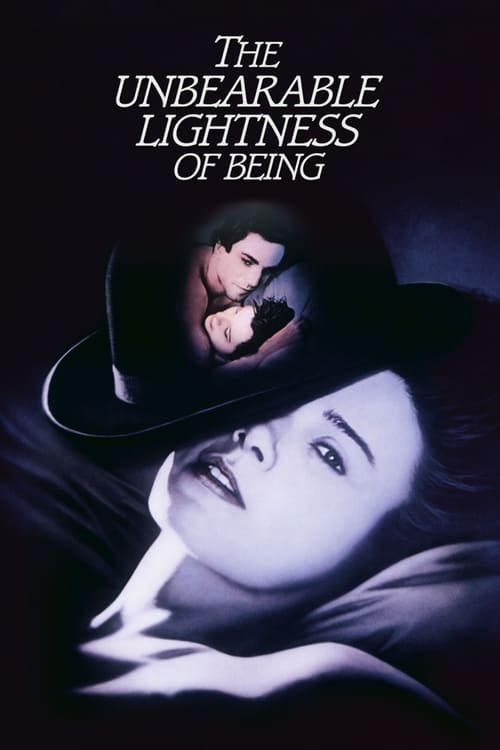
The Unbearable Lightness of Being (1988)
Saved on this device. to keep it.
Where to watch


Source: JustWatch
The book was banned by the occupying Soviet regime. When offered the film adaptation, Miloš Forman refused, fearing for his sons in Czechoslovakia. Instead, he phoned a friend in San Francisco.
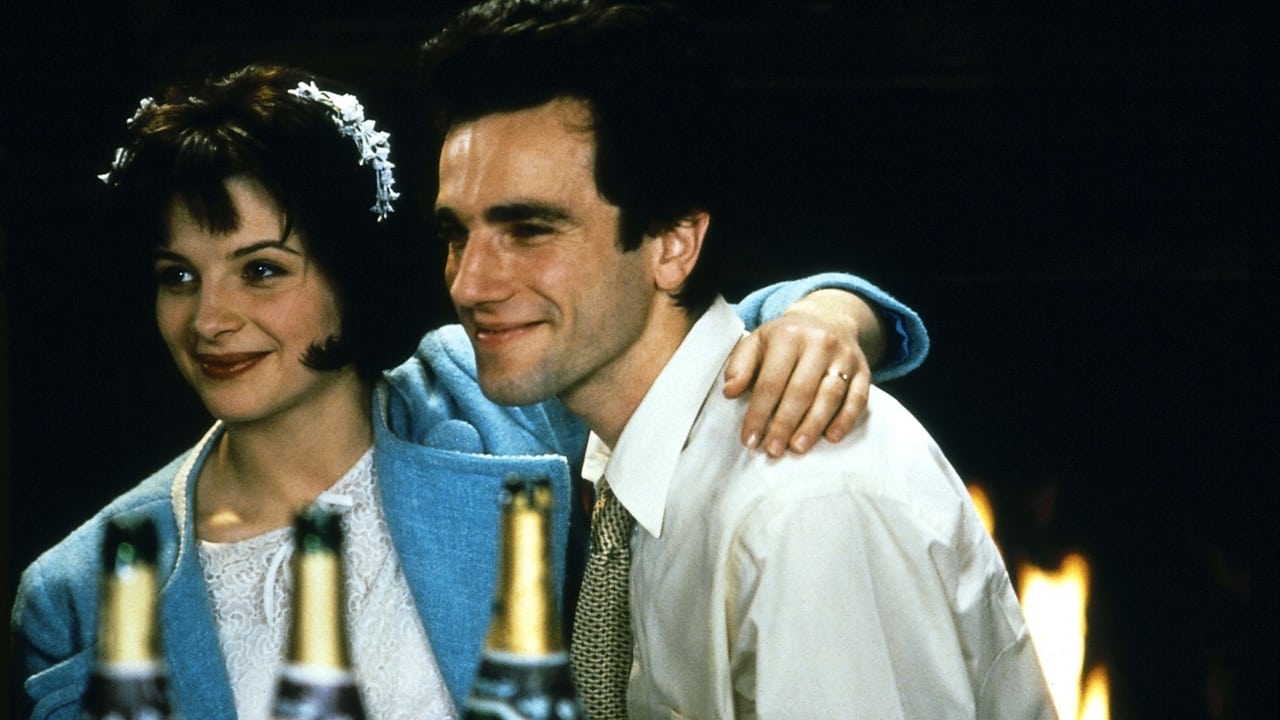
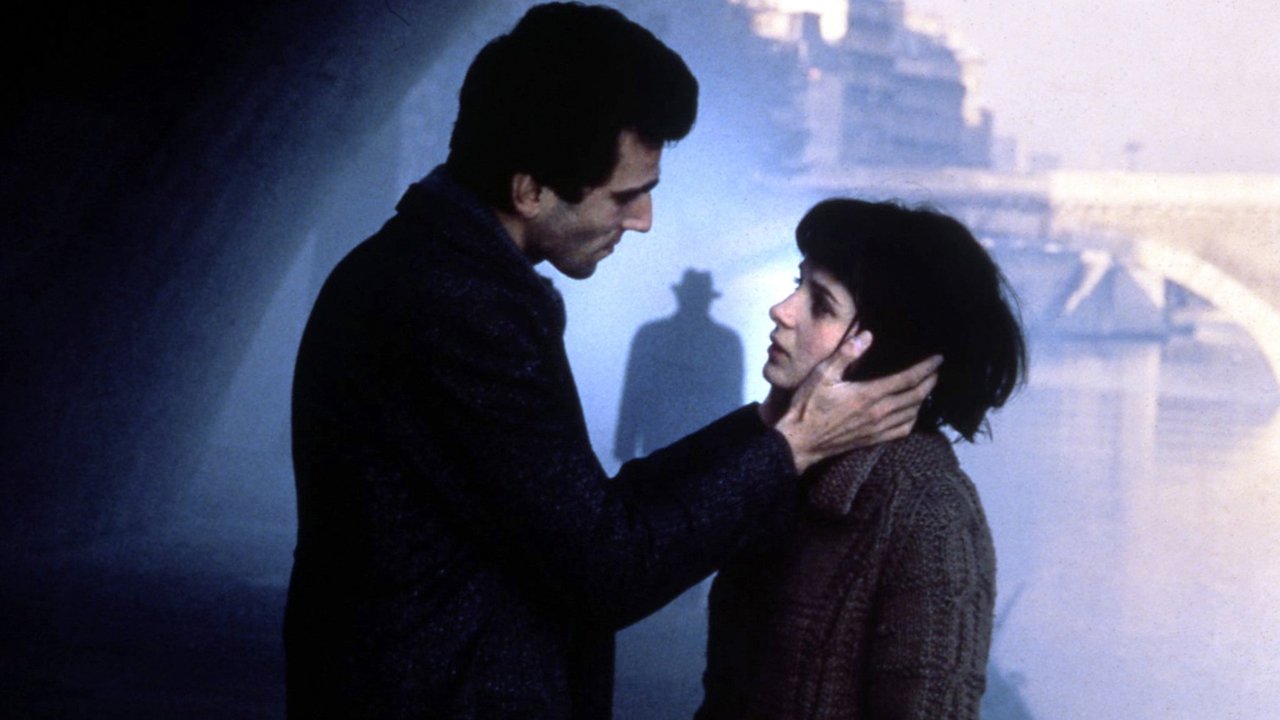
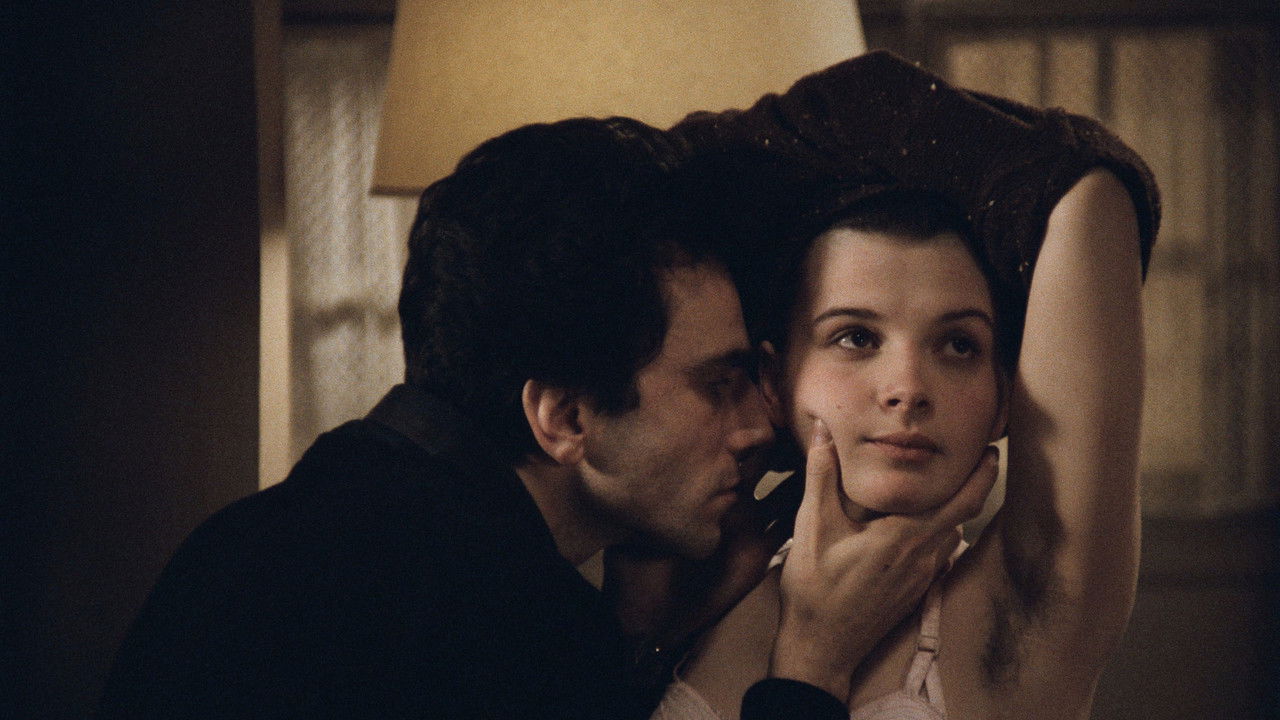
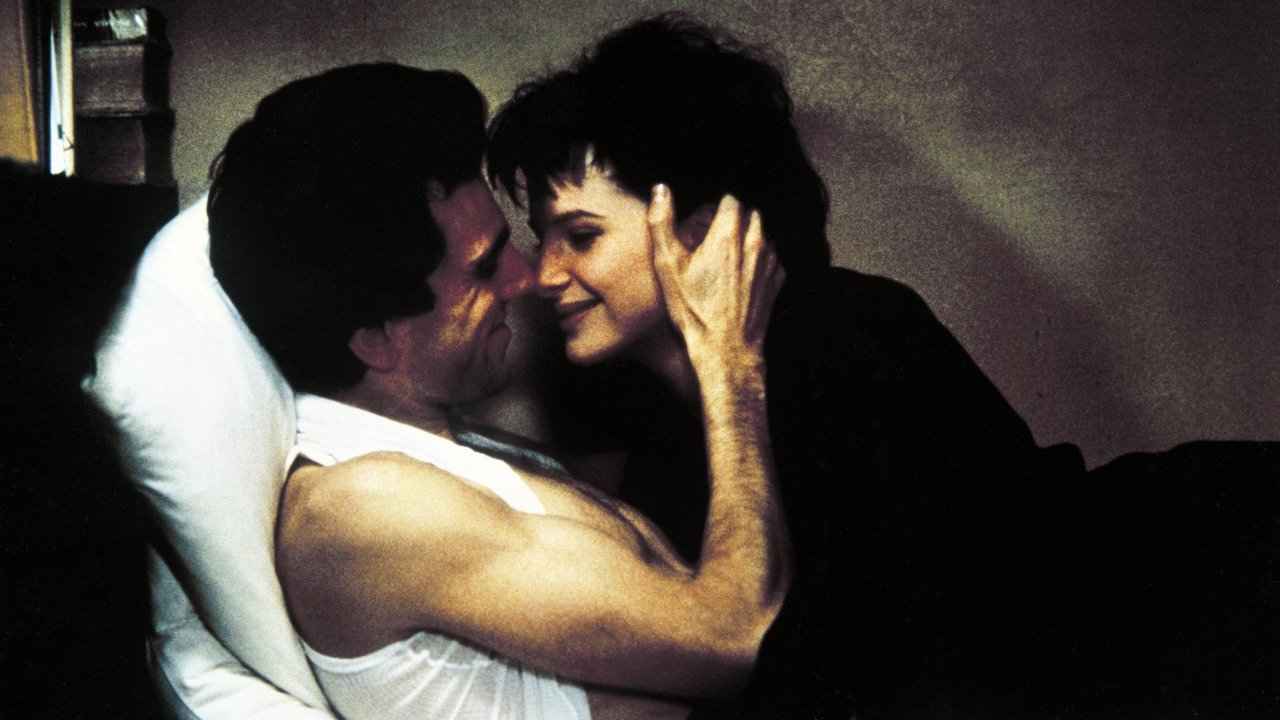
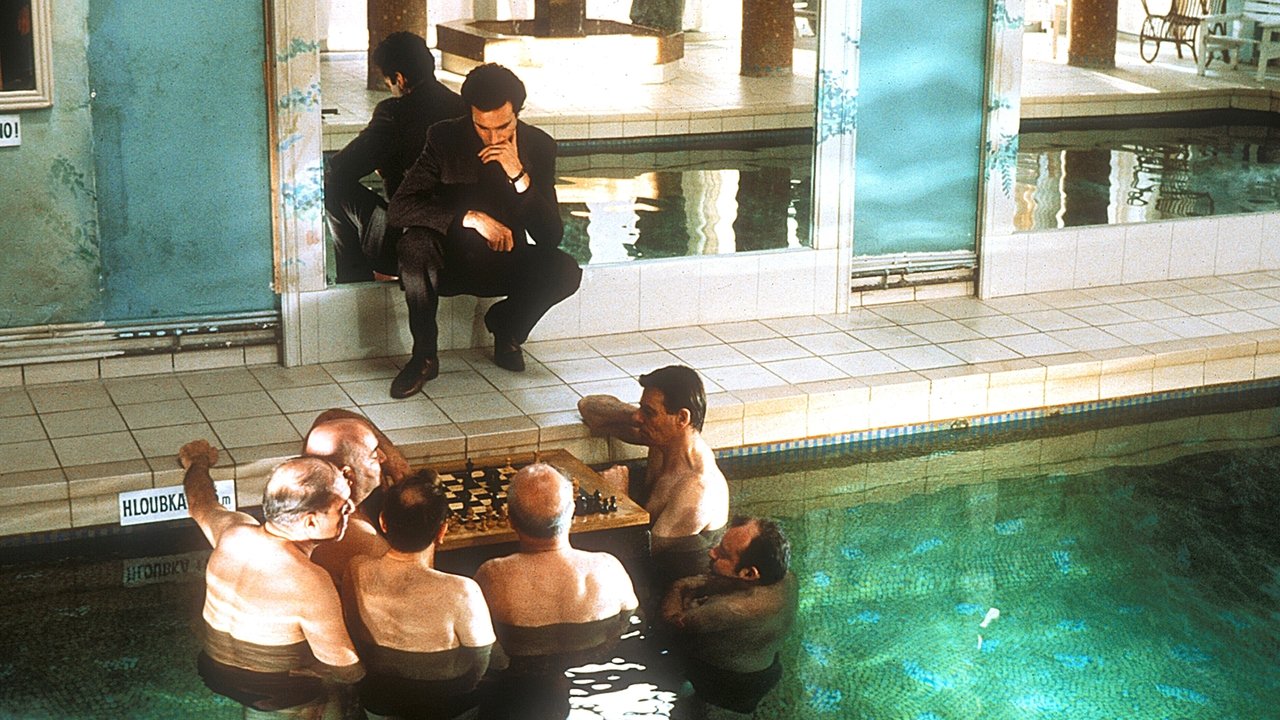
THE UNBEARABLE LIGHTNESS OF BEING (1988) is Philip Kaufman's three-hour adaptation of Milan Kundera's "unfilmable" novel, with Daniel Day-Lewis, Juliette Binoche, and Lena Olin. Sven Nykvist shot it. Walter Murch cut it.
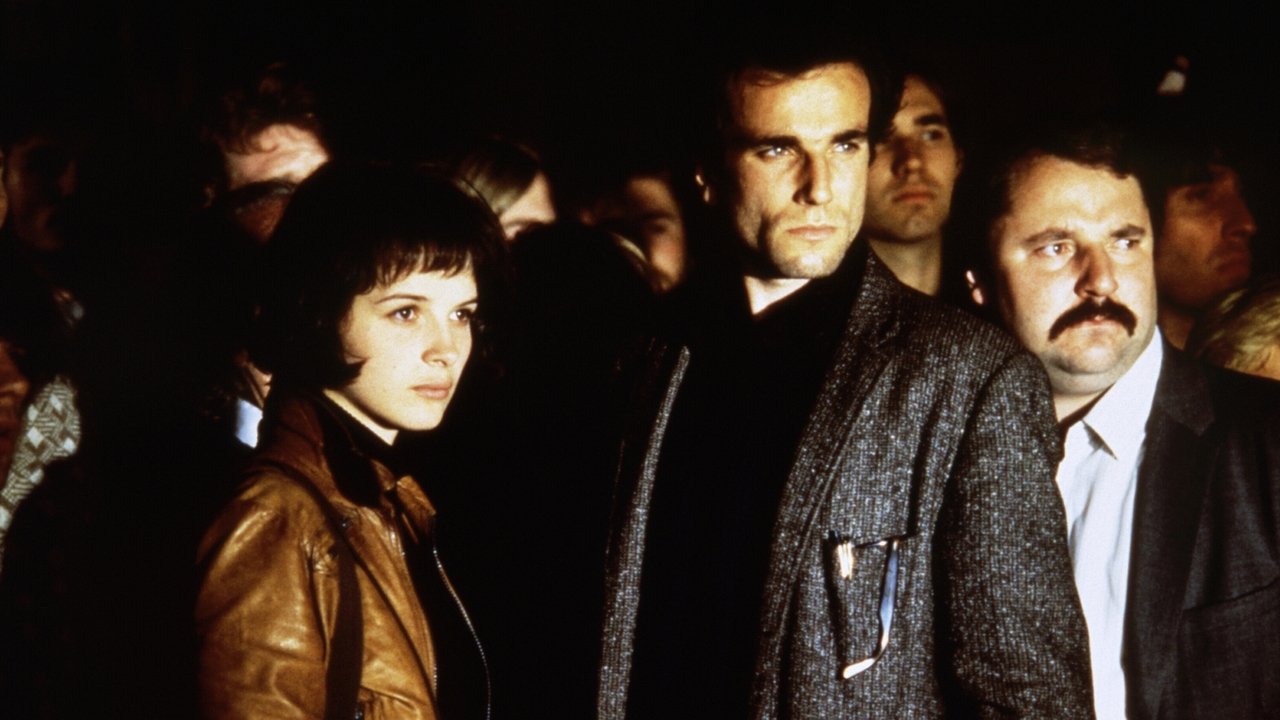
For the 1968 Prague invasion sequence Kaufman hired a Czech consultant named Jan Němec. He used footage Němec had shot himself, on the morning the tanks arrived, before smuggling it out to Vienna. Němec makes a cameo as a man capturing the events on camera.
Milan Kundera wrote of the finished film that it had very little to do with the spirit of the novel or its characters. Miloš Forman, who won Oscars for directing Amadeus and Cuckoo's Nest, had studied under Kundera in Prague. One wonders what the teacher might have thought of a version by his old student.
Kundera never allowed anyone to adapt his work again.
Physical media
LaserDiscThe Criterion CollectionUnited States1998
DVDWarner Bros.UPC 037429140222
DVDWarner Bros.UPC 012569734043
VHSOrion Home VideoUnited States1989
About the film
A lovers’ story.
- Directed by
- Philip Kaufman
- Runtime
- 171 minutes
- Released
- February 5, 1988
- Certification
- R
- Country
- United States of America
- Starring
- Daniel Day-Lewis, Juliette Binoche, Lena Olin, Derek de Lint, Stellan Skarsgård
More credits
- Genres
- Drama, Romance
- Language
- Czech, English
- Origin
- US
- Studios
- The Saul Zaentz Company
- Written by
- Philip Kaufman, Jean-Claude Carrière, Milan Kundera
- Produced by
- Bertil Ohlsson, Saul Zaentz
- Cinematography
- Sven Nykvist
- Music
- Mark Adler
- Also starring
- Erland Josephson, Pavel Landovský, Donald Moffat, Daniel Olbrychski, Tomasz Borkowy
- Budget
- $17,000,000
- Box office
- $10,000,000
 This product uses the TMDB API but is not endorsed or certified by TMDB.


Was absorbed into the unbearable lightness of being travelling by bus around Egypt and Israel in 1985. Didn’t feel the film captured the emotion of it, but liked it anyway, because I had loved the novel so much.
It’s my favorite love story. I’ve read the book. I never saw the major difference, but Kundera has his reasons.
I remember seeing this in theatres when it first came out and became a huge fan of both leads because of it. Lena Olin I also followed for a while but she never seemed to gain the same traction the other two did.